Showing posts with label art. Show all posts

Wednesday, May 15, 2024

Handmade journal - for some moments in life there are no words


 “The best time to begin keeping a journal is whenever you decide to.” – Hannah Hinchman


Creating a handmade journal is a rewarding and creative endeavor that allows you to personalize every aspect of your journaling experience. Here are steps to make a basic handmade journal:

Materials Needed:

    1. Paper: Choose your preferred type of paper for the pages. You can use blank, lined, or grid paper, or even mix different types for variety.
    2. Cover Material: Select a sturdy material for the cover, such as cardstock, fabric, leather, or decorative paper.
    3. Binding Material: You can use embroidery floss, waxed thread, ribbon, or elastic cord for binding.
    4. Cutting Tools: Scissors, paper trimmer, or craft knife for cutting paper and cover materials.
    5. Hole Punch or Awl: For creating holes in the paper and cover for binding.
    6. Needle: Large-eyed needle for threading the binding material.
    7. Ruler and Pencil: For measuring and marking dimensions.


Once your handmade journal is complete, you can use it for writing, sketching, planning, or any other creative purpose you desire. Enjoy the process of making and using your personalized journal!


So good fun, but very time consuming


I used a empty toilett roll as spine


“Journal writing gives us insights into who we are, who we were, and who we can become.” - Sandra Marinella

“You must remember that your story matters. What you write has the power to save a life, sometimes that life is your own.” -  Stalina Goodwin


Here's a list of prompts to spark your creativity when working on your junk journal:

  1. Collect scraps: Gather old magazine clippings, ticket stubs, receipts, fabric scraps, postcards, and any other ephemera you find interesting.

  2. Create a cover: Use an old book cover, cardboard, or fabric to create a cover for your junk journal. Decorate it with paint, collage, or embroidery.

  3. Document a day: Fill a page with ephemera from a single day in your life—receipts, photos, notes, and mementos that capture the essence of that day.

  4. Travel memories: Create a spread dedicated to a memorable trip or vacation. Include maps, brochures, tickets, and photos to document your adventures.

  5. Found poetry: Use words and phrases cut from old books, magazines, or newspapers to create found poetry. Arrange the words on a page to create a unique poem or story.

  6. Inspiration board: Create a collage of images, quotes, and symbols that inspire you. Use this as a visual representation of your goals, dreams, and aspirations.

  7. Gratitude list: Dedicate a page to listing things you're grateful for. Use colorful markers, stickers, or washi tape to make it visually appealing.

  8. Nature walk: Take a nature walk and collect leaves, flowers, and other natural treasures. Press them in your journal or use them to create a nature-inspired spread.

  9. Dream journal: Use your junk journal as a place to record your dreams and aspirations. Write down your goals, dreams, and hopes for the future.

  10. Recipe collection: Create a spread dedicated to your favorite recipes. Include handwritten recipes, cooking tips, and photos of delicious dishes.

  11. Doodle page: Let your creativity flow with a page dedicated to doodling. Use markers, pens, and colored pencils to create patterns, shapes, and designs.

  12. Memory lane: Fill a page with nostalgic items from your childhood—old toys, school photos, report cards, and other memorabilia.

  13. Self-reflection: Take some time to reflect on your thoughts and feelings. Write a letter to your past or future self, or create a spread exploring your hopes, fears, and dreams.

  14. Bucket list: Create a bucket list of things you want to do, see, and experience in your lifetime. Use images, words, and symbols to bring your dreams to life.

  15. Random acts of kindness: Dedicate a page to documenting random acts of kindness you've witnessed or experienced. Use this as a reminder of the goodness in the world.

Feel free to mix and match these prompts or come up with your own ideas to make your junk journal truly unique and personal!


“The worst enemy to creativity is self-doubt.”
― Sylvia Plath, The Unabridged Journals of Sylvia Plath

Friday, May 10, 2024

Intuitive art


 Intuitive art, also known as intuitive painting or intuitive expression, is a form of creative practice that emphasizes spontaneity, exploration, and self-discovery. Unlike traditional art forms that may involve careful planning and execution, intuitive art focuses on allowing the artist's intuition and inner wisdom to guide the creative process.


Here are some key aspects of intuitive art:

Freedom of Expression: Intuitive art encourages freedom of expression without the constraints of rules or expectations. Artists are encouraged to let go of preconceived ideas and judgments and instead trust their instincts and inner voice.

Exploration of Emotions and Energy: Intuitive art provides a safe space for artists to explore their emotions, thoughts, and energy through the act of creating. Artists may use colors, shapes, textures, and symbols to express their innermost feelings and experiences.


Process-Oriented Approach: In intuitive art, the focus is on the process rather than the end result. Artists are encouraged to stay present in the moment, allowing the artwork to unfold organically without attachment to the outcome.


Nonlinear Progression: The creative process in intuitive art is often nonlinear and unpredictable. Artists may move freely between different mediums, techniques, and styles, following their intuition and responding intuitively to each moment.

Mindfulness and Presence: Intuitive art practice often involves mindfulness and presence, as artists cultivate awareness of their thoughts, sensations, and emotions while creating. This mindful approach can lead to greater self-awareness and personal growth.


Connection to Inner Wisdom: Intuitive art is a way of tapping into one's inner wisdom and intuition. Through the act of creating, artists may gain insights, clarity, and self-understanding that they can apply to other areas of their lives.

Playfulness and Experimentation: Intuitive art encourages a spirit of playfulness and experimentation, allowing artists to embrace mistakes, take risks, and explore new possibilities without fear of judgment.


Holistic Healing: For many practitioners, intuitive art is a form of holistic healing that promotes emotional, psychological, and spiritual well-being. Engaging in the creative process can be therapeutic, cathartic, and empowering.


Intuitive art can take many forms, including painting, drawing, collage, sculpture, and mixed media. It is practiced by artists of all skill levels, from beginners to seasoned professionals, and can be enjoyed for its process-oriented nature and its ability to foster self-expression and personal growth.


Ultimately, intuitive art is about connecting with oneself on a deeper level, trusting one's intuition, and embracing the creative journey as a means of self-discovery and exploration. It invites artists to let go of expectations, surrender to the flow of creativity, and embrace the beauty of the present moment.


Some of my intuitive art, if you want to see more: https://linktr.ee/janemonicatvedtart

Collage and mixed media collage


Collage art

  • “Every cat is my best friend.” – Unknown

Collage and mixed media art are versatile and expressive forms of artistic expression that involve combining various materials and techniques to create unique and visually compelling artworks. Here's an overview of collage and mixed media art:

Collage Art:
Collage art involves assembling and layering different materials, such as paper, fabric, photographs, found objects, and text, onto a surface to create a cohesive composition. The materials are often adhered to a backing such as canvas, wood panel, or paper using adhesive, glue, or other bonding agents.

Techniques in Collage Art:Tearing and Cutting: Artists can tear or cut paper, fabric, or other materials into desired shapes and sizes to create interesting textures and patterns.

Layering: Collage art often involves layering materials on top of each other to create depth and dimension in the artwork.

Collage Papers: Artists may use a variety of papers, including vintage book pages, magazines, newspapers, handmade papers, and specialty papers, to add visual interest and texture to their collages.

Found Objects: Found objects such as buttons, beads, ribbons, keys, and natural materials can be incorporated into collage artworks to add texture and symbolism.


Collage art


Mixed media Collage

Mixed Media Art:

Mixed media art expands upon the principles of collage by incorporating additional mediums and techniques into the artwork. In addition to paper and fabric, mixed media artists may use paint, ink, pastels, charcoal, markers, pencils, and other drawing materials to create layers of color, texture, and visual interest.

“Where the spirit does not work with the hand, there is no art.”

 – Leonardo da Vinci

Techniques in Mixed Media Art:

  • Painting and Drawing: Mixed media artists often combine painting and drawing techniques with collage elements to create dynamic and expressive artworks.
  • Texture Mediums: Artists may use texture mediums such as gesso, modeling paste, gel medium, or texture paste to create raised surfaces and texture in their artwork.
  • Layering: Like collage art, mixed media art involves layering different materials and mediums to create depth, dimension, and visual complexity.
  • Image Transfer: Artists may incorporate image transfer techniques, such as gel medium transfer or solvent transfer, to transfer images onto the surface of their artwork.


Mixed media, partly sketch in my art journal 

Themes and Styles: Collage and mixed media art can encompass a wide range of themes, styles, and subject matter, from abstract and experimental to figurative and narrative. Artists may draw inspiration from personal experiences, emotions, nature, politics, social issues, or cultural influences in their work.


Go wild in your art journal and do some crazy sketches.


Benefits of Collage and Mixed Media Art:

  • Creativity: Collage and mixed media art offer endless possibilities for creative expression and experimentation.
  • Versatility: Artists can combine a variety of materials and techniques to achieve their desired aesthetic and convey their artistic vision.
  • Accessibility: Collage and mixed media art are accessible to artists of all skill levels and can be created with minimal art supplies.
  • Self-Expression: Collage and mixed media art provide a platform for artists to explore their thoughts, feelings, and ideas in a visual format.

Overall, collage and mixed media art are dynamic and versatile forms of artistic expression that encourage creativity, experimentation, and self-expression. Whether creating abstract compositions, figurative narratives, or mixed media sculptures, artists can use collage and mixed media techniques to push the boundaries of traditional art forms and create truly original and captivating artworks.


“Art should be something that liberates your soul, provokes the imagination and encourages people to go further.”
 – Keith Haring


I am back on Instagram as @jmtvedtart - watercolor flowers summer vibes

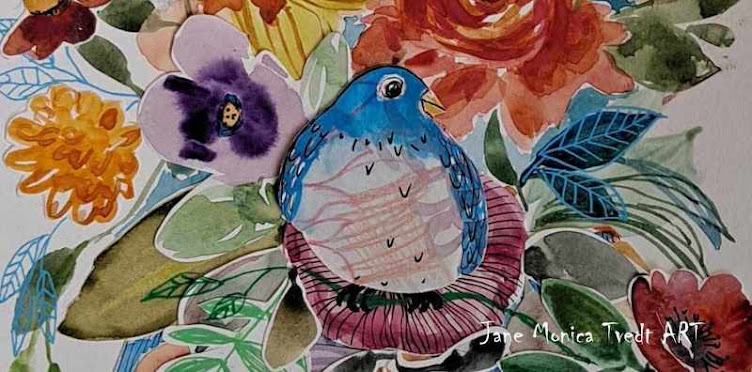
  Watercolor collage - Summer vibes  "Intuition is the GPS of the soul." — Unknown "Go with your gut feeling." — Unknown...