
Photo art, also known as photographic art or photography-based art, encompasses a wide range of creative practices that use photography as a medium for artistic expression. Here are some forms of photo art:
Fine Art Photography: Fine art photography refers to photographs created with the intention of being viewed as works of art. These images often focus on aesthetic qualities, composition, and emotional impact rather than documenting reality. Fine art photographers may use techniques such as long exposures, multiple exposures, or experimental processing to create visually striking images.

Conceptual Photography: Conceptual photography explores ideas, themes, or concepts through the medium of photography. Artists use photography to convey abstract concepts, tell stories, or provoke thought and introspection. Conceptual photography often involves careful planning and execution to communicate complex ideas visually.


Experimental Photography: Experimental photography encompasses a wide range of unconventional techniques and approaches to image-making. Artists may use techniques such as light painting, cameraless photography, or alternative camera formats to create unexpected and visually engaging images.

Documentary and Photojournalism: While documentary photography and photojournalism primarily aim to document reality, they can also be considered forms of photo art when approached with a creative and artistic sensibility. Photographers may use storytelling, composition, and visual aesthetics to convey a particular narrative or evoke emotional responses.

Photo art offers endless possibilities for creative expression, allowing artists to explore themes, experiment with techniques, and push the boundaries of traditional photography
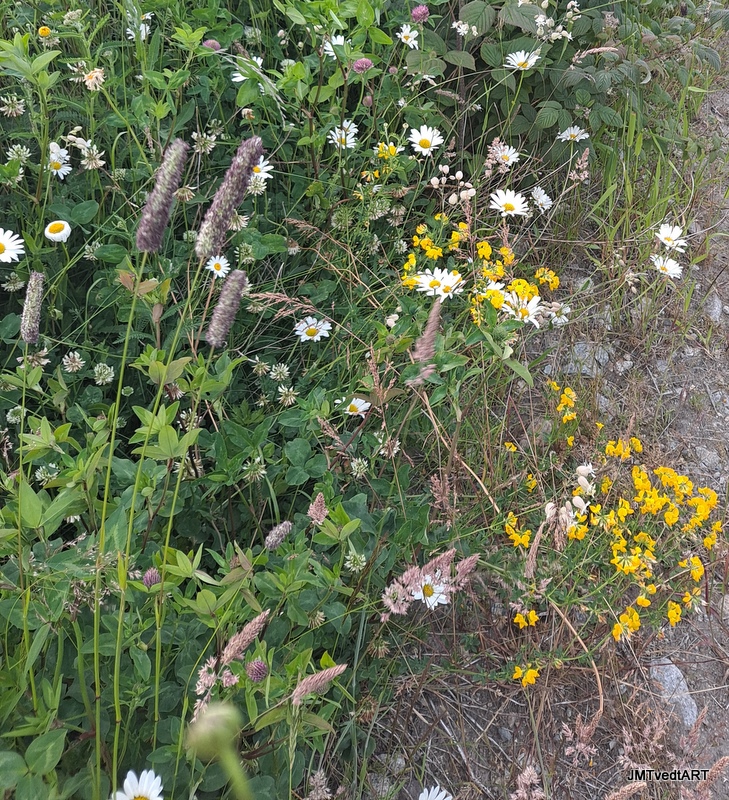
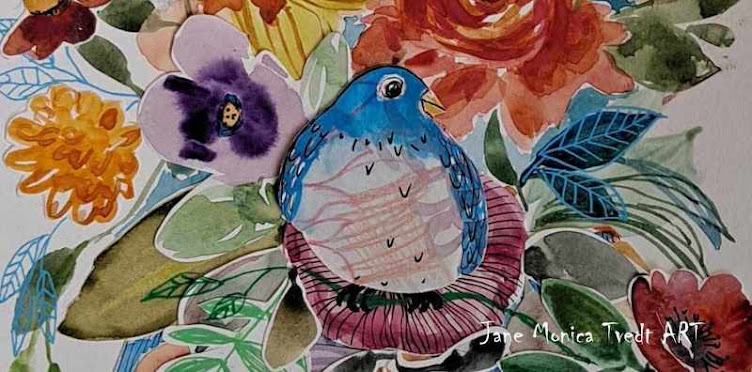
My flower photo is planned to use when I paint my flowers. Inspiration for
thoughts and mind..